So why do people skip their warm-up?
Warming up before a workout is often overlooked and underrated. A warm-up is not just for athletes. It’s for anyone who wants to move better. Our muscles and joints need preparation to operate efficiently for the activity that follows. And, if you’re an anxious beginner exerciser, the warm-up is a solid starting point.
Why do people skip? Usually, because they are rushed or the effort bores them.
To survive the boredom, I listen to podcasts (usually mysteries or wellness interviews). Big stretch there, but both pleasure me! For others, music works.
Let’s understand why your warm-up matters and what can happen if you skip it.
Why should you warm up before exercise?
Tons of reasons. As a personal trainer, I can’t stress this enough. Besides raising our basal temperature, your warm-up pushes oxygen and blood to your muscles, preparing them for physical activity. Your body, in turn, feeds on the heat and scrumptious flexibility it needs to do the work.
The brain-to-body signals sharpen. That’s your nervous system. Your joints juice up and your metabolism increases. (We love that.) All these benefits tell your body you’re ready to rock.
HINT: Cold muscles are tight muscles and that’s when injuries can occur.
What’s the best way to warm up before exercise?
First, let’s be clear that a warm-up is different than stretching. A warm-up is dynamic. Stretching is static (more later). It’s that simple. And, a warm-up is not that torturous.
A pre-workout warm-up should be dynamic and take about 6-8 minutes. In cold weather, about 15 minutes is better. It’s smart to consider that our warm-up is PART of our workout rather than separate.
What are effective ways to warm up for particular activities?
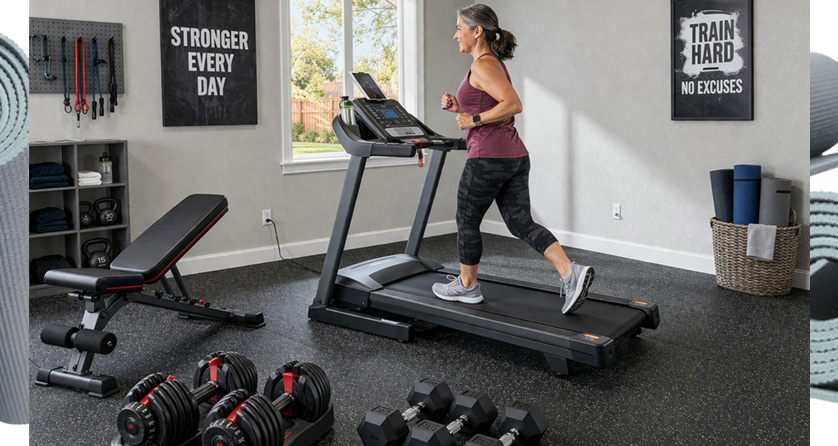
For a walk or run: Start walking. Increase your gait and speed. Begin a jog-to-a-run. This just mimics what’s coming. Easy.
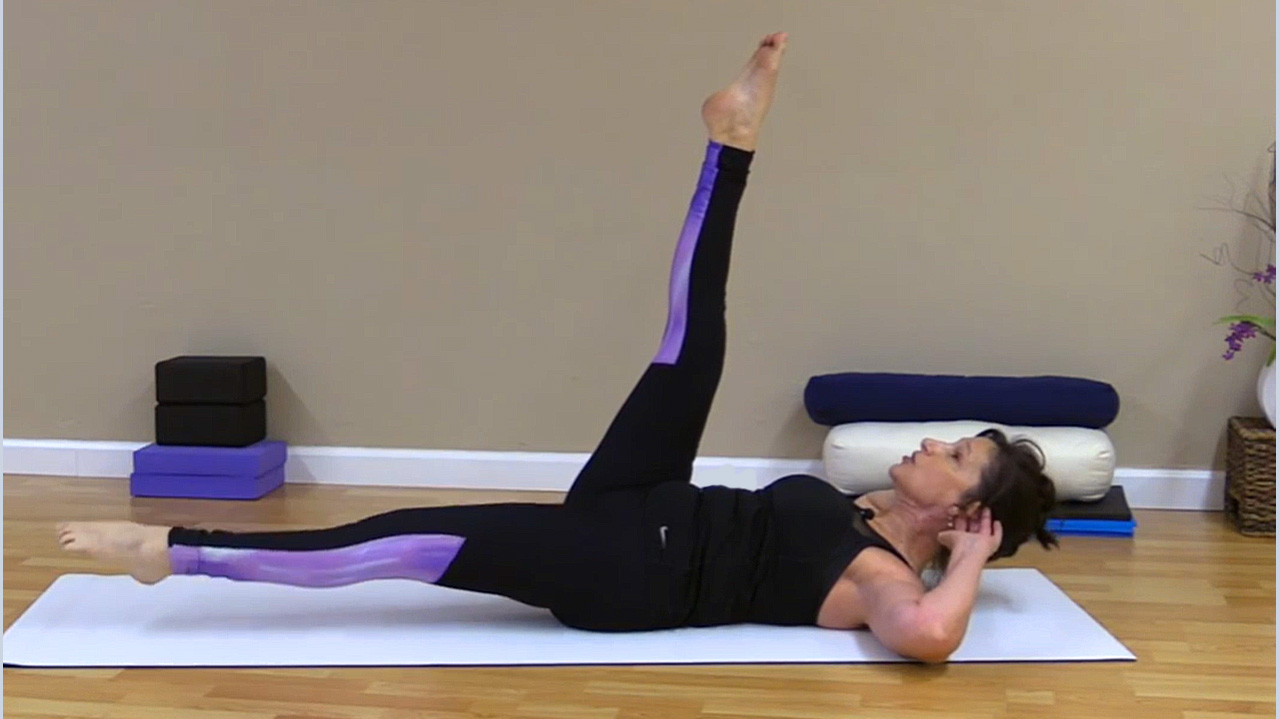
For a weight workout: Swing and flex the legs, circle the arms, and take some cat curls for the spine. Add push-ups and gentle squats or lunges to wake up those vital large muscle groups.
The key to the best warm-up is to mirror the workout you’re about to do. You prepare progressively.
What happens if you don’t warm up?
A skipped warm-up guarantees you’ll fatigue faster during your workout. That means your endurance is reduced. It means our joints are not lubricated and can suffer extra stress. No warm-up slows down our nerve impulses. This impacts our coordination. That means the communication between our brain and muscles decreases.
Consideration for the heart matters. Quick actions into physical activity can spike the heart rate.
Is the cool-down important? 
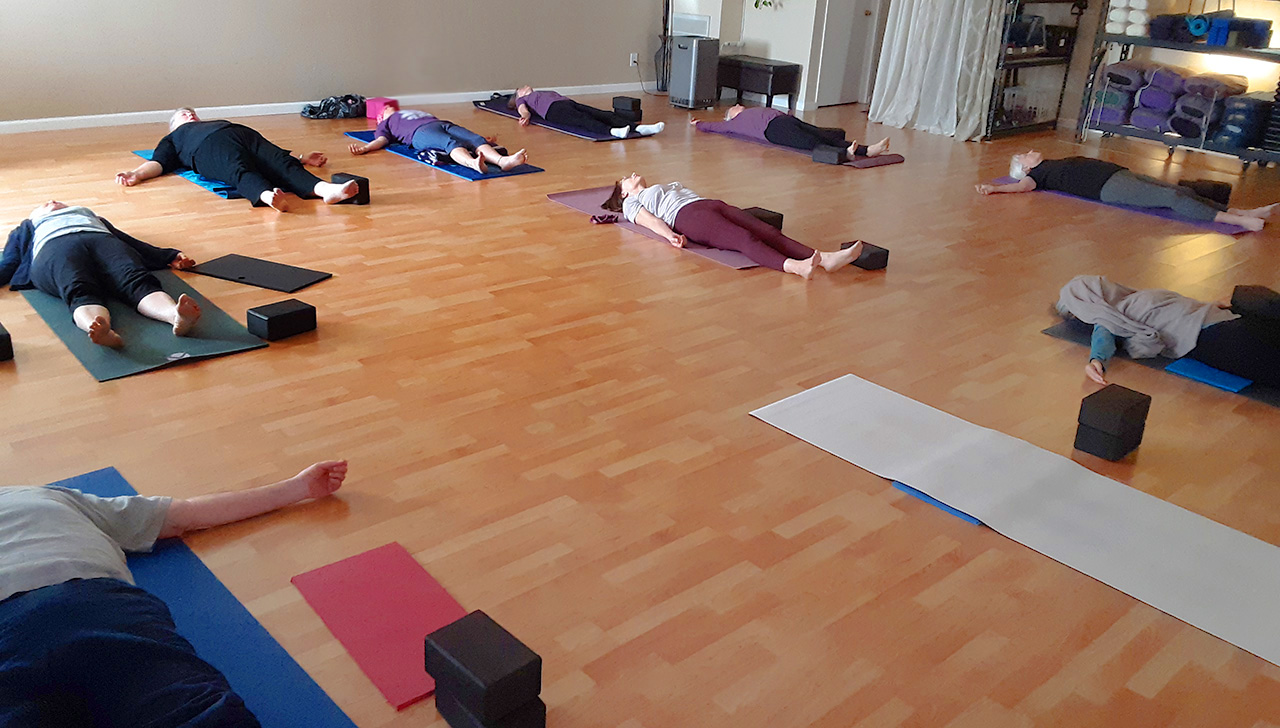
Simply, yes. Stretching benefits flexibility and workout recovery. Static stretches are best for post-workout. They should be held gently for 30 seconds if possible.
Static stretching vs. dynamic stretching. What’s the difference?
Here’s where tons of people go wrong. The gold standard is that dynamic stretches should precede your workout. Static stretching should follow.
Dynamic stretching is repeated movement. It can be side lunges, backward lunges, squats, etc. During repetitions, the range of motion progressively increases and the muscles heat up.
Static stretching is just that. For example, you would hold a lunge or a hamstrings stretch. Proper static stretches should reach a slight tension in the muscle. Never painful tension. You’re on target if you feel soft tension for about 6-8 seconds. Then you feel that muscle group release and soften.
Some folks mix both, and if that works for you, it’s worth it.
Final words
Time and energy are valuable in exercise. Neither is worth wasting. Make every minute and every inch of movement count and your body and mind will be unstoppable.