Warming up before a workout is often overlooked or severely underrated. In fact, it is invaluable that our muscles and joints are prepared to operate efficiently for the activity that follows. Why do people skip? Usually, because they are rushed or because it’s boring. True.
Here’s the quick and dirty of why our warm-up matters (and what can happen if you skip it).
Why should you warm up before exercise?
As a personal trainer, no client (or class) of mine gets away with no warm-up. The best way to ensure the client warms up effectively is to join them. Sounds ridiculous, but it works (and what trainer refuses a little extra exercise?).
If I leave my client on their own with, “Ok, warm up and I’ll see you in 7 minutes,” it’s usually a loss. Their lower body prep consists of a few knee lifts, and the upper prep is, well, zero.
To fire up your body to get the best possible outcome from your workout, take a few minutes to prepare your joints and muscles for the work.
What matters most is a proper warm-up lowers the chance of injury from a cold start. Our warm-up pushes oxygen and blood to our muscles. Therefore, our basal temperature increases. This prepares our body for the activity that follows.
In other words, our metabolism increases. Everybody loves that. Our body is now prepared with the heat and pliability it needs to do the work. So, be mindful, cold muscles are tight muscles.
What happens when you don’t warm up first?
Skipping a warm-up before your workout increases fatigue during your session. Translation: you become exhausted quickly. The better your warm-up, the more endurance you reap from your session. [Read that again.]
Lack of a warm-up means our joints are not lubricated and can suffer extra stress. Tears or injuries can and do occur. Range of motion is reduced which is restrictive.
Lack of a warm-up slows our nerve impulses. This impacts our coordination. That means the communication between our brain and muscles decreases.
Consideration for the heart matters too. Sudden action into physical activity can spike the heart rate.

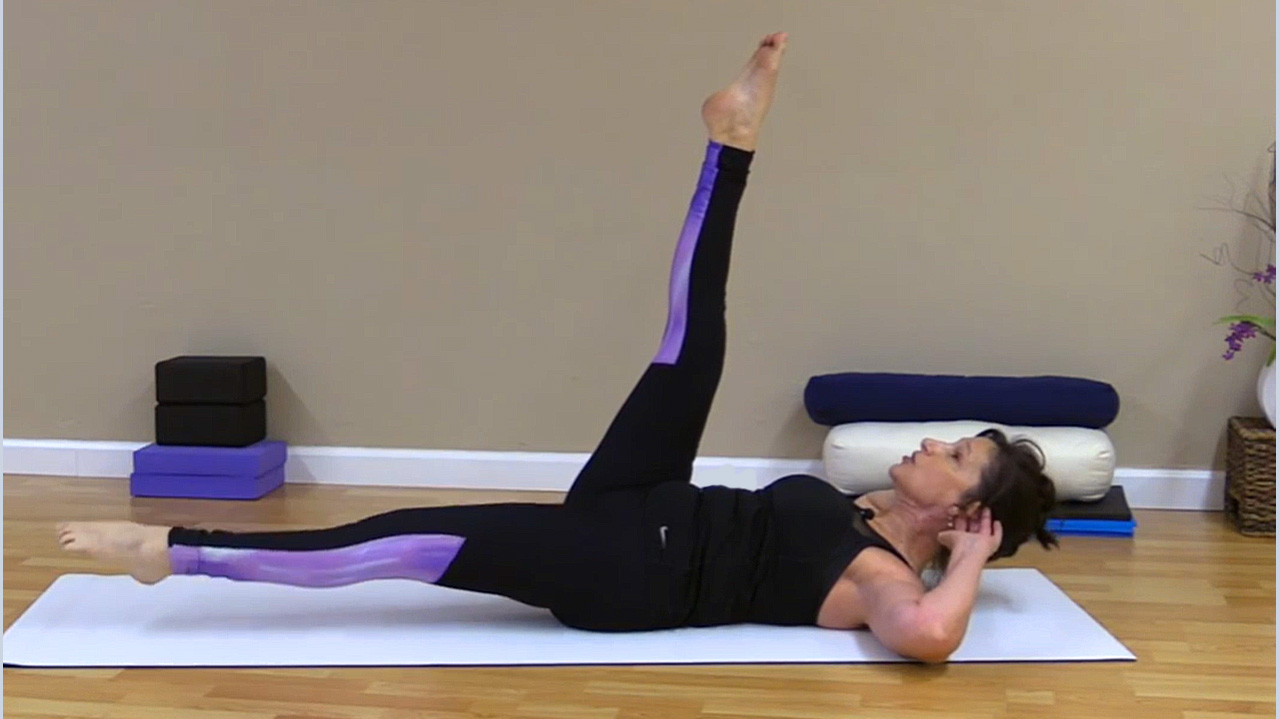
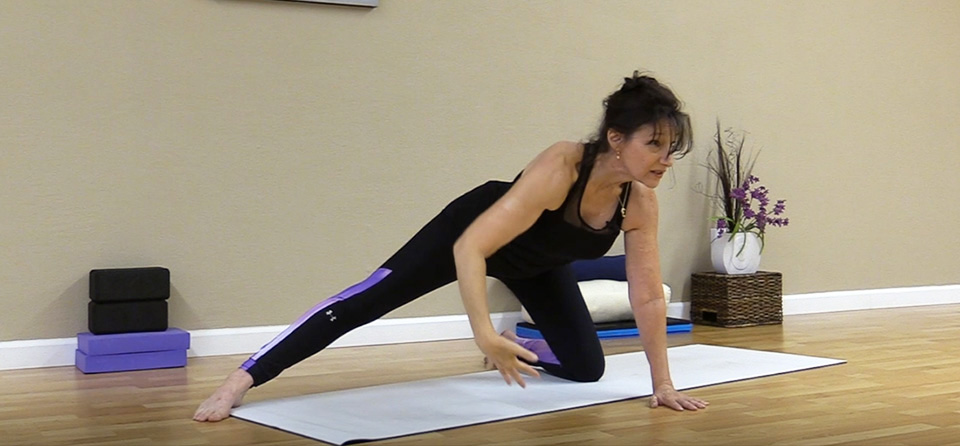
 It’s not that torturous. A pre-workout warm-up should be dynamic and take about 5-8 minutes. In cold weather, about 15 minutes is better. Here are some effective ways to warm up for particular activities: